Ages 4 - 5

The First Steps to a Lifetime of Confidence

At The Voice House, the curriculum for our Early Speakers (ages 4 – 5) are designed to be a joyful journey of self-discovery through play, movement, and vocal exploration. 

We focus not just on helping them speak, but on helping them understand that their ideas matter, laying the foundation for clarity, confidence, and a love for sharing their thoughts with others.

Through play-based activities and attractive, hands-on workbooks, children learn in a fun and engaging way that builds confidence, expression, and early communication skills in a supportive environment.

1.
Understanding Voice Box
Children discover how their voice works and learn to use it with confidence. Through playful vocal activities, they explore different sounds, volume, tone, and expression while building awareness of speech and communication.
2.
Introducing Myself
Children practise introducing themselves clearly and confidently in a supportive group setting. They learn to share simple information about who they are while developing comfort in speaking to others.
3.
Storytelling
Through imaginative stories and guided activities, children learn to express ideas using words, actions, and emotions. Storytelling helps strengthen creativity, speech clarity, and confidence in sharing thoughts aloud.
4.
Making Friends
Children develop early social communication skills by learning how to start conversations, listen to others, and respond kindly. Fun group interactions encourage confidence, teamwork, and positive friendships.
5.
Speaking with Kindness
Children learn how words can make others feel valued and respected. Through role play and guided conversations, they practise using polite language, gentle tones, and encouraging expressions in everyday communication.
6.
Speaking with Gratitude
Children explore how to express appreciation and share ideas confidently with others. Activities encourage thoughtful speaking, active listening, and meaningful interactions within a group setting.
7.
Sharing Seasonal Wishes, Festive Stories with Speech Clarity
Children learn and practise clear speech and expressive communication for festive themes, seasonal greetings, and storytelling activities. Fun experience on celebrations and themed conversations help improve pronunciation, pacing, and vocal confidence.

Ready to Help Your Child Find Their Voice?​

Book a trial session or get in touch about your child’s communication journey!

    Parent Information


    Child Information


    Program Interests

    Frequently Asked Questions

    What if my child is very shy or hesitant to speak?
    That’s completely okay. Many young children take time to feel comfortable speaking in new environments or around unfamiliar people. Being quieter at first is completely normal, and every child warms up at their own pace. We do not force children to speak before they are ready. Instead, we focus on creating a safe, encouraging environment where children slowly build confidence through interaction, play, movement, storytelling and guided participation. Over time, most children naturally become more comfortable expressing themselves.
    At ages 4–5, communication development is still in its foundational stages. At this age, the focus is less on speaking eloquently and more on helping children learn how to:
    • Express thoughts and feelings
    • Organise simple ideas
    • Take turns in conversations
    • Listen and respond
    • Build confidence interacting with others
    Strong communication foundations at a young age often support classroom participation, emotional regulation and social confidence later on. These skills form the foundation for reading comprehension, writing, and critical thinking as they grow.

    Progress can look different for every child. Some children become more talkative, while others become clearer, more confident or more willing to participate.

    Parents often notice changes such as:

    • Speaking more independently
    • Answering questions with more detail
    • Expressing emotions more clearly
    • Participating more comfortably in group settings

    We also provide regular observations and feedback where appropriate.

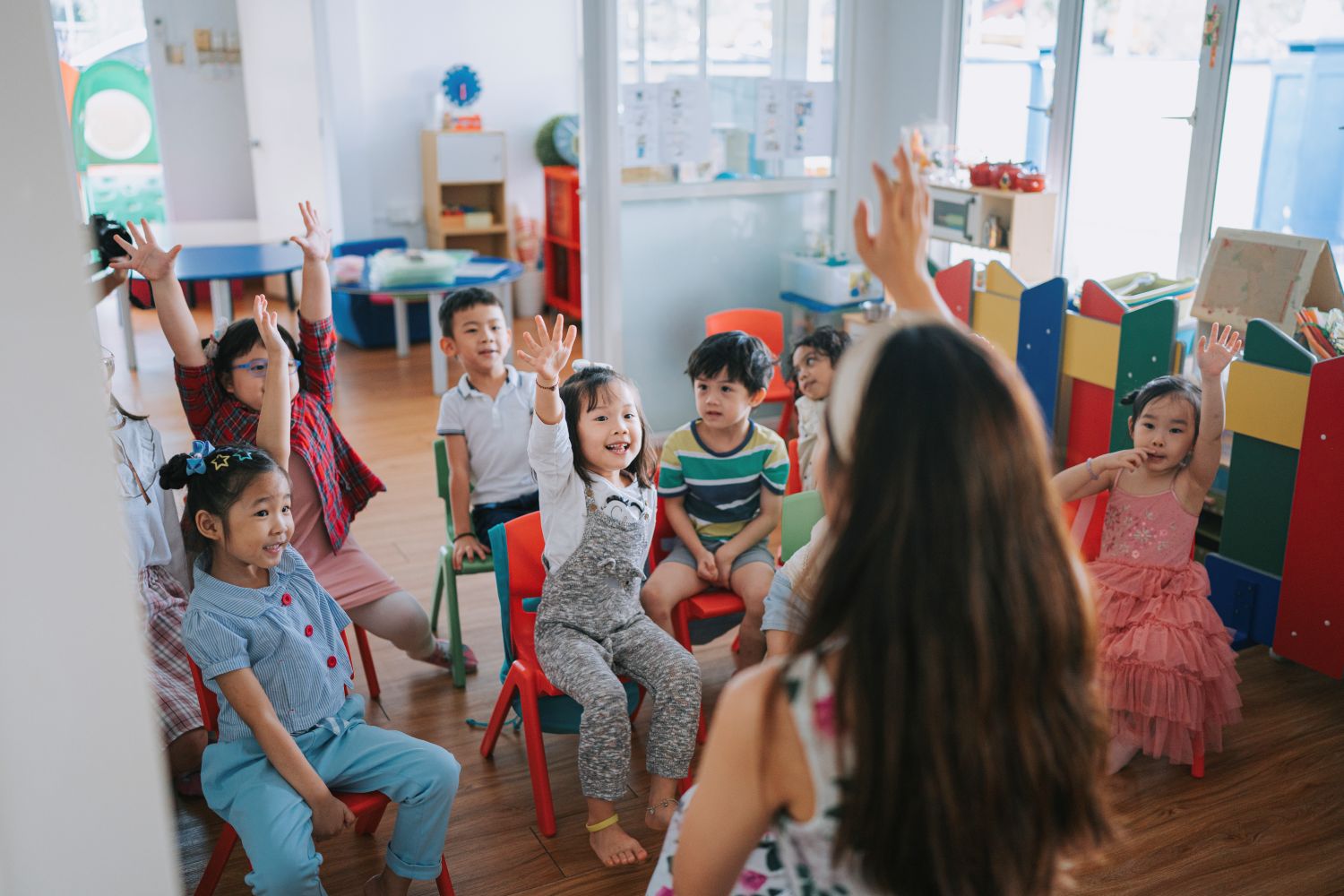
    Young children learn best when they are actively involved and having fun. Lessons are designed to be interactive, movement-based and engaging through games, storytelling, roleplay, visuals and hands-on activities. We structure our 90-minute classes with frequent activity changes, movement breaks, and varied engagement to match young children’s natural rhythms. Classes include a mix of active games, quiet moments, hands-on activities, and group interaction — not 90 minutes of sitting and listening. We also build in a short snack/water break midway through. We intentionally vary activities throughout class to support attention span and participation, with a stronger focus on interaction and practical application rather than overly theory-based instruction. Most children adapt well to the format within 2-3 sessions, and parents often tell us they’re surprised how engaged their child stays throughout.
    Classes typically include a mix of:
    • Interactive discussions
    • Storytelling activities
    • Vocabulary and expression games
    • Guided speaking opportunities
    • Movement and engagement activities
    • Simple presentation or sharing moments
    The focus is not on perfect speaking, but helping children become comfortable expressing themselves.

    Unlike performance-focused programs, we prioritize thinking and organization before speaking. Children learn to structure their thoughts first, which makes speaking clearer and more confident naturally. It’s communication from the inside out, not just presentation skills.

    Shopping cart close