
Unlocking The Mind To Build Confident Voices
We develop the cognitive skills children need to organize thoughts and express themselves with clarity.

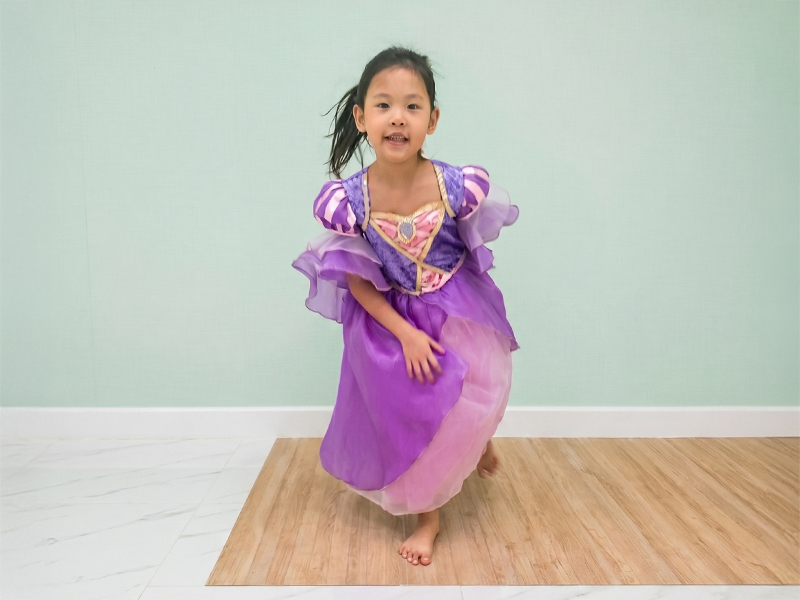

We have many kids to think fast and speak well. Our lessons build sharp minds and clear voices, turning quiet students into bold, active leaders who share great ideas.
Thoughtful Minds, Powerful Voices
We guide young minds to organize thoughts and speak boldly in any life situation
Our Mission
To help children express themselves clearly and confidently so they feel understood and not frustrated, by guiding them to find their voice in a natural, structured, and sustainable way.
Our Vision
To be the foundation for a generation of courageous communicators who express their thoughts clearly, share their ideas with confidence, and connect meaningfully in every conversation.
What makes us different
Articulation
Clear thinking leads to clear speaking. We help students develop strong fundamentals such as pronunciation, accuracy, and pacing so their ideas are not just heard, but clearly understood.
Presence
Confidence is what our students stand on. We build the self-assurance to speak up, take ownership of their voice, and carry themselves with ease in any setting.
Authenticity
Communication is about connection. We encourage students to express themselves naturally and genuinely, using their voice and body language to bring their ideas to life.
Connection
Great communicators listen as well as they speak. We develop the ability to engage in thoughtful conversations, respond with intention, and build meaningful connections in everyday situations.
Frequently Asked Questions
Why is my child struggling with speaking?
Speaking is closely connected to how a child thinks and processes information. When children feel overwhelmed or emotional, it becomes harder for them to organise their thoughts clearly, so their speech may sound messy, scattered, or unclear. Often, children have many ideas in their minds, but they struggle to sequence and express them in a structured way. In many cases, it’s not purely a speaking issue, it’s a thinking and organisation issue linked to executive function skills like working memory, planning, and processing.
How do I tell if it is a speaking or thinking issue?
Some common signs include children talking a lot but struggling to explain themselves clearly, becoming frustrated when misunderstood, or jumping between ideas without structure. You may also notice they communicate very differently at home compared to school or social settings. Sometimes this frustration shows up as whining, shutting down, or tantrums because they don’t know how to express themselves effectively.
How did this insight shape the way I built The Voice House?
It shaped the foundation of our entire approach. I realised that if we only focus on speaking, we’re only addressing the surface. That’s why our programme focuses first on helping children organise their thoughts. When thinking becomes clearer, speaking naturally becomes clearer too, and that’s where real confidence begins.
How does The Voice Method™ help my child organise their thoughts before speaking?
We don’t simply tell children to “speak properly.” Instead, we guide them to think before they speak through questions, structured conversations, and gentle scaffolding during class. We also use visual cues and simple frameworks to support working memory and help children organise their ideas more clearly. Over time, these skills become more automatic, so children communicate with greater clarity and confidence.
What makes your approach different from traditional programmes?
Many programmes focus mainly on performance skills like confidence, projection, and presentation. While we develop those too, we place stronger emphasis on how children think, process, and organise their ideas. Our lessons are highly interactive, with children actively speaking and engaging throughout, helping them strengthen communication and executive function skills through real conversation rather than memorisation or performance alone.
What changes should I notice of my child?
The changes are usually gradual but noticeable. Children begin expressing themselves more clearly and logically instead of jumping between ideas. You’ll often see calmer, more thoughtful communication, greater confidence, and less frustration because they finally feel understood.
Why is thought organisation so important?
Communication starts in the mind before it reaches the mouth. If a child’s thoughts feel scattered, their speech often will too. When children learn to organise their thinking, it becomes much easier for them to express themselves clearly, manage emotions, participate in conversations, and handle overwhelming situations more effectively.
What long-term difference does this make?
When children feel heard and understood, it impacts many areas of their lives. They participate more confidently, express their ideas more openly, and approach social and learning situations with less hesitation. Over time, these skills strengthen not just communication, but also emotional regulation, relationships, and self-confidence.
Why are there so many different modules if they all teach communication?
Each module approaches the same core skill – clear thinking and confident expression – from a different angle. Whether a student is telling a story, debating an issue or speaking impromptu, they are always practising how to organise their thoughts and communicate effectively. The variety keeps learning engaging while reinforcing the same fundamental habits over time.