
Building a Lasting Bond: A Guide to the Employer-Helper Relationship in Singapore
Hiring a domestic helper is more than a simple transaction. It is the introduction of a new person into the sanctuary of your home. In Singapore, where we rely on helpers for everything from childcare to eldercare, the “right” relationship is a delicate balance between professional management and familial warmth.
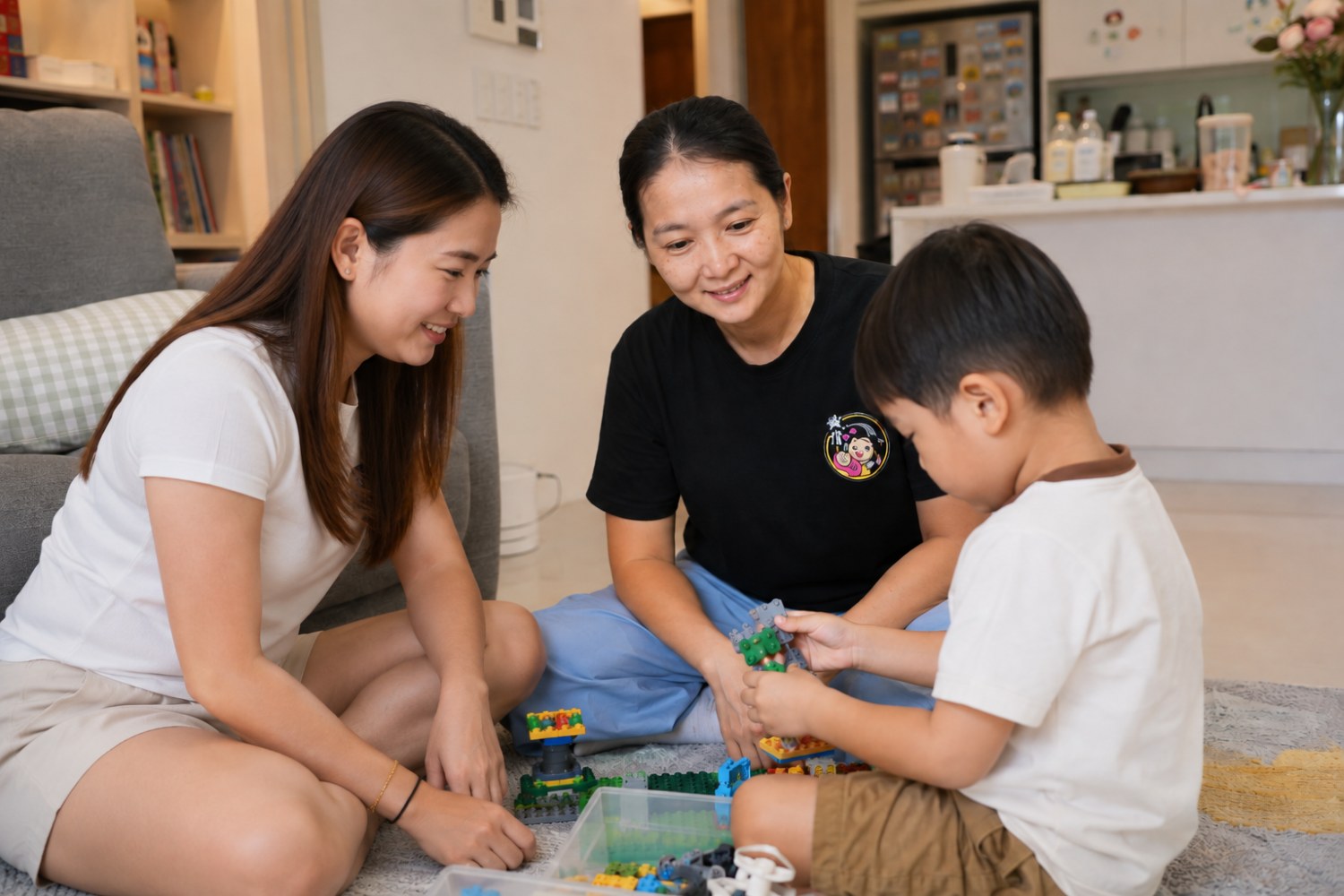
While every household is different, some preferring a formal “Ma’am/Sir” dynamic and others a casual, family-like bond, the foundation of a successful placement always rests on mutual respect and clear boundaries.
1. The Foundation: Clear Expectations and Professionalism
- Before a deep bond can form, the “work” side of the relationship must be stable. Clarity prevents resentment and confusion.
- Establish a Job Scope First: Do not assume your helper knows your standards for hygiene or cleanliness. Detail your requirements, including the trivial things, to help her prioritize.
- Demonstrate, Do Not Just Tell: Cultural differences mean that “cleaning the kitchen” might mean something different to her. Physically show her how you want tasks done the first time.
- Written Resources: Use checklists, daily schedules, or post-it notes. This minimizes language barriers and provides a reference point she can return to without feeling like she is “bothering” you with questions.
- The “Repeat Back” Rule: Because many helpers feel it is disrespectful to say “I don’t understand,” ask her to kindly repeat instructions back to you. This ensures you are both on the same page.
2. Communication: Moving from Fear to Trust
- A helper who is afraid of making mistakes will hide them. A helper who trusts you will ask for help.
- Constructive Feedback: When mistakes happen (and they will), keep feedback fact-based. Avoid venting anger; instead, discuss the issue tactfully and hear her side of the story.
- Encourage Questions: Proactively create a space where she feels safe to air concerns. React positively when she asks for clarification. It shows she cares about doing the job right.
- Respect Boundaries: While a close relationship is great, respect her privacy and rest periods. Avoid micromanaging. If you have trained her well, trust her to execute the tasks.
3. Integration: Treating Her as an Integral Part of the Home
- Small gestures go a long way in alleviating the stress of a helper working in a foreign land.
- Commemorate Milestones: Celebrate her birthday with a small meal or gift. Simple acts, like a Red Packet during Chinese New Year, signal that she is a valued member of the household.
- Respect Religious Beliefs: Provide time off for her important holidays, such as Christmas or Hari Raya. If she is fasting, consider adjusting her workload to be less strenuous.
- Show Genuine Interest: Take a moment to learn about her life back home—her children, her siblings, and her aspirations. This builds a rapport that transcends a simple employer-employee contract.
4. Health and Well-being: The Practical Essentials
- A healthy helper is a productive one. In Singapore, the legal and moral responsibility for her well-being falls on the employer.
- Mandatory Care: Employers must bear the full cost of the six-monthly medical examination (6ME). Ensuring she has comprehensive insurance is not just a legal requirement but peace of mind for both of you.
- Work-Life Balance: Ensure she receives her mandatory weekly rest day. A well-rested helper is more alert and motivated.
- Dietary Needs: Be mindful of her dietary restrictions. Ensuring she is well-fed and healthy is a basic right that fosters deep loyalty.
| The Do’s | The Don’ts |
|---|---|
| Praise effort: Express appreciation for a job well done. | Micromanage: Avoid hovering. Trust the training you provided. |
| Be Patient: Allow time for her to adapt to your culture and habits. | Discriminate: Treat her with equal respect regardless of nationality. |
| Fair Pay: Ensure wages are paid on time, every time. | Ignore Rights: Never compromise on rest days or basic necessities. |
| Promote Balance: Respect her personal time and privacy. | Lack of Training: Don’t expect perfection without a clear demonstration. |
Finding the Right Match
Every child and every household is unique. If you are hiring a helper for specialized needs, such as Developmental Care for a neurodiverse child, the relationship requires even more structure and patience.
Pro-Tip: If you find that your helper has the right temperament but lacks specific skills, consider enrolling her in specialized training programs for childcare or eldercare. This investment not only improves the quality of care but also shows her that you are invested in her professional growth.